
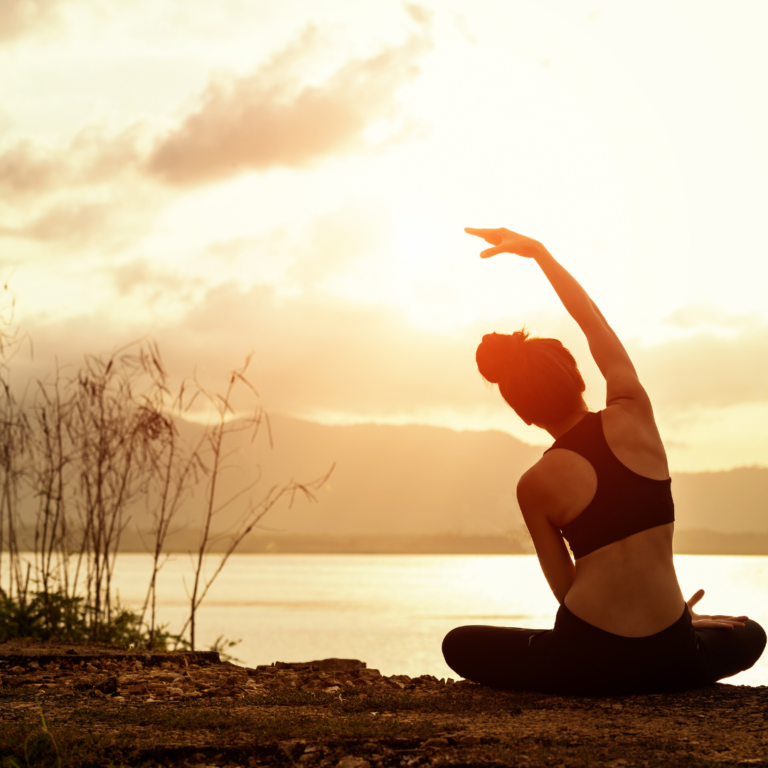
Let’s face it – we all deal with stressors in our lives at some point. Stress, when experienced chronically or intensely, can have numerous negative effects on both your physical and mental well-being. Engaging in outdoor activities that include exercise and relaxation can be an effective way to relieve stress and promote overall well-being.
In fact, reducing stress is a great health and fitness goal. Health and fitness DOES NOT have to always be about losing weight. Effectively managing stress to reduce the chances of it negatively impacting your health is a fantastic goal and should be focused on more.
First, let’s talk about the negative consequences to your physical health. Chronic stress can suppress the immune system, making you more susceptible to infections and illnesses. Long-term stress may contribute to high blood pressure, heart disease, and an increased risk of stroke. Stress can lead to digestive issues such as indigestion, stomach cramps, and exacerbation of conditions like irritable bowel syndrome (IBS). It can also cause muscle tension, headaches, and body aches.
Stress also impacts your mental health. Persistent stress is a significant risk factor for the development or exacerbation of anxiety and depression. Chronic stress can impair cognitive function, affecting memory, concentration, and decision-making abilities. Stress can disrupt sleep patterns, leading to insomnia or poor-quality sleep.
Stress has a significant impact on your hormones. Stress triggers the release of cortisol, a hormone that, when elevated for prolonged periods, can contribute to weight gain, disrupted sleep, and other health issues. Stress has been linked to the exacerbation of various chronic conditions, including diabetes, asthma, and autoimmune disorders.
Stress can lead to some unhealthy habits. Some individuals cope with stress by engaging in unhealthy behaviors such as overeating, substance abuse, or excessive alcohol consumption.
But do not worry or stress. You can control your stress levels! There are many ways to do so, but here are some of my favorite outdoor activities that are FREE and can help reduce stress:
- Hiking: Walking in nature, breathing in fresh air, and enjoying scenic views can be incredibly calming and rejuvenating.
- Running or Jogging: Cardiovascular exercise, like running or jogging, releases endorphins, which are natural mood lifters. Running in a park or along a trail adds the benefit of being surrounded by nature.
- Cycling: Riding a bike can be both a great workout and a means of exploring outdoor spaces. It’s a low-impact activity that allows you to enjoy the scenery while getting your heart rate up.
- Yoga in Nature: Practicing yoga outdoors, whether in a park or by the beach, combines the benefits of exercise, fresh air, and the calming effects of nature.
- Picnicking: Take a break from routine and have a picnic in a nearby park. Spending time outdoors with good food and company can provide a relaxing and enjoyable experience.
- Fishing: Being near water, whether it’s a river, lake, or ocean, has a calming effect. Fishing can be a meditative activity that allows you to disconnect from stressors.
- Gardening: Tending to a garden can be therapeutic. The act of planting, caring for plants, and spending time in nature has been shown to reduce stress and improve mood.
- Wildlife Watching: Observing birds, squirrels, or other wildlife in their natural habitat can be a peaceful and mindful activity.
- Beach Time: Spending time at the beach can be incredibly relaxing. The sound of waves, the feel of sand beneath your feet, and the vastness of the ocean can help alleviate stress.
- Outdoor Meditation: Find a quiet outdoor space, such as a park or garden, and practice meditation. Focus on your breath and surroundings to promote relaxation.
- Rock Climbing: For those seeking a bit more adventure, rock climbing provides both physical activity and a mental challenge, requiring focus and concentration.
- Kayaking or Canoeing: Paddling on a calm lake or river can be a serene and enjoyable way to connect with nature while getting some exercise.
Remember, the key is to choose activities that you enjoy and that allow you to connect with nature. Regular outdoor activities can contribute to a healthier lifestyle and help manage stress more effectively.
Dare 2B Strong generated this text in part with GPT-3, OpenAI’s large-scale language-generation model. Upon generating draft language, the author reviewed, edited, and revised the language to their own liking and takes ultimate responsibility for the content of this publication.