
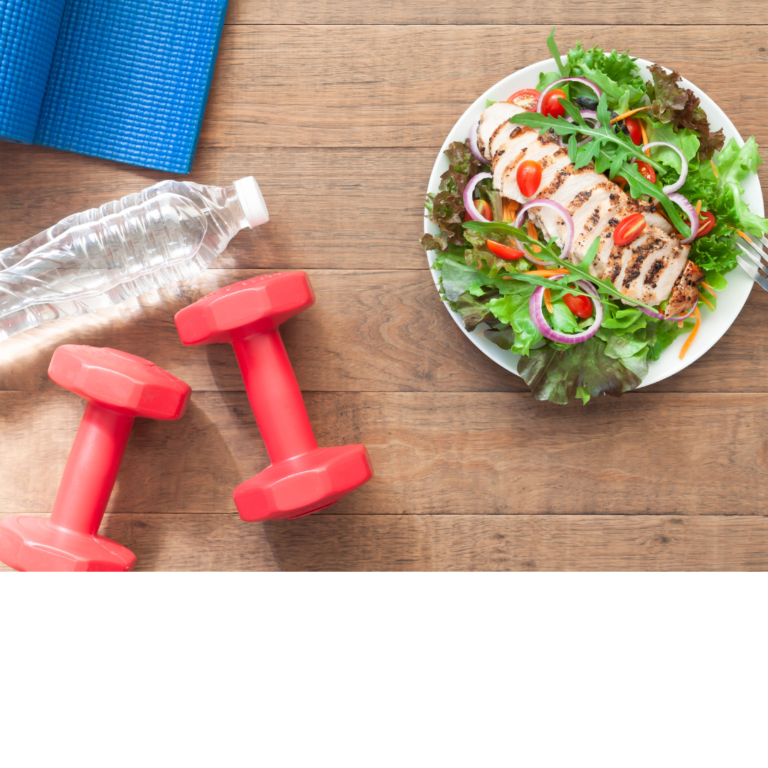
How are nutrition and exercise related? If you want to maximize the benefits of both exercise and nutrition for your overall health and wellness, then it’s important to know the unique interplay between them. Not only does good nutrition fuel your workouts and your recovery, it promotes overall wellness in terms of maintaining low blood pressure, reducing the likelihood of heart disease, and helps you maintain a healthy weight. Here are some other key aspects of their relationship:
Energy Balance
Nutrition provides the body with the energy it needs to perform exercise and any other physical activity. When the amount of calories you consume through food and drinks as the energy expended during physical activities, you will maintain a healthy weight. In general, calories in = calories out will maintain your weight, calories in < calories out will result in weight loss, calories in > calories out will result in weight gain.
Nutrient Timing
The timing of nutrient intake is important, especially in relation to exercise. Consuming a balanced meal or snack before and after workouts can optimize energy levels, performance, and recovery. For example, a combination of carbohydrates and protein before exercise can provide fuel, while post-exercise nutrition high in carbohydrates and protein aids in muscle repair and glycogen replenishment.
Performance Enhancement
Proper nutrition can enhance exercise performance by providing the necessary nutrients for muscle contraction, endurance, and recovery. Remember, FOOD IS FUEL. Adequate carbohydrate intake is essential for endurance athletes, while protein is crucial for muscle repair and growth. Yes, that means CARBS ARE YOUR FRIENDS and are just as important as protein. They help you build and maintain muscle, as well as improve your performance.
Hydration
Staying properly hydrated is essential for both nutrition and exercise. Water is vital for various physiological processes, and dehydration can negatively impact performance and overall health. It’s also important to recognize that too much water at one time can be dangerous. Each person’s water intake is individual and will vary.
Muscle Building and Repair
Exercise, especially strength training, creates micro-tears in muscle fibers. Adequate protein intake is essential for muscle repair and growth. Consuming protein-rich foods can support these processes. In addition, carbohydrates assist with muscle growth and repair.
Weight Management
The combination of a balanced diet and regular exercise is effective for weight management. A calorie deficit (burning more calories than consumed) leads to weight loss, while a calorie surplus can contribute to weight gain.
Disease Prevention
Both nutrition and exercise play roles in preventing chronic diseases such as heart disease, diabetes, and obesity. A healthy diet and regular physical activity can contribute to better cardiovascular health, improved blood sugar control, and weight maintenance.
Mental Health
Exercise and nutrition also have positive effects on mental health. Regular physical activity is known to reduce stress, anxiety, and depression. Nutrient-rich foods can support brain function and mood regulation.
In summary, nutrition and exercise are intertwined and complement each other in maintaining overall health and wellness. A balanced and nutritious diet provides the energy and nutrients needed for physical activity, while exercise enhances the utilization of nutrients and contributes to various health benefits. It’s essential to consider both aspects for a holistic approach to a healthy lifestyle.
If you would like help with how to improve your nutrition and exercise habits, check out my one-on-one coaching page. I am a Certified Personal Trainer and Certified Fitness Nutrition Specialist and would be more than happy to help guide you on your journey to better overall wellness!
Dare 2B Strong generated this text in part with GPT-3, OpenAI’s large-scale language-generation model. Upon generating draft language, the author reviewed, edited, and revised the language to their own liking and takes ultimate responsibility for the content of this publication.